







GRC Consulting Services in the UAE: Managing Third-Party Risk
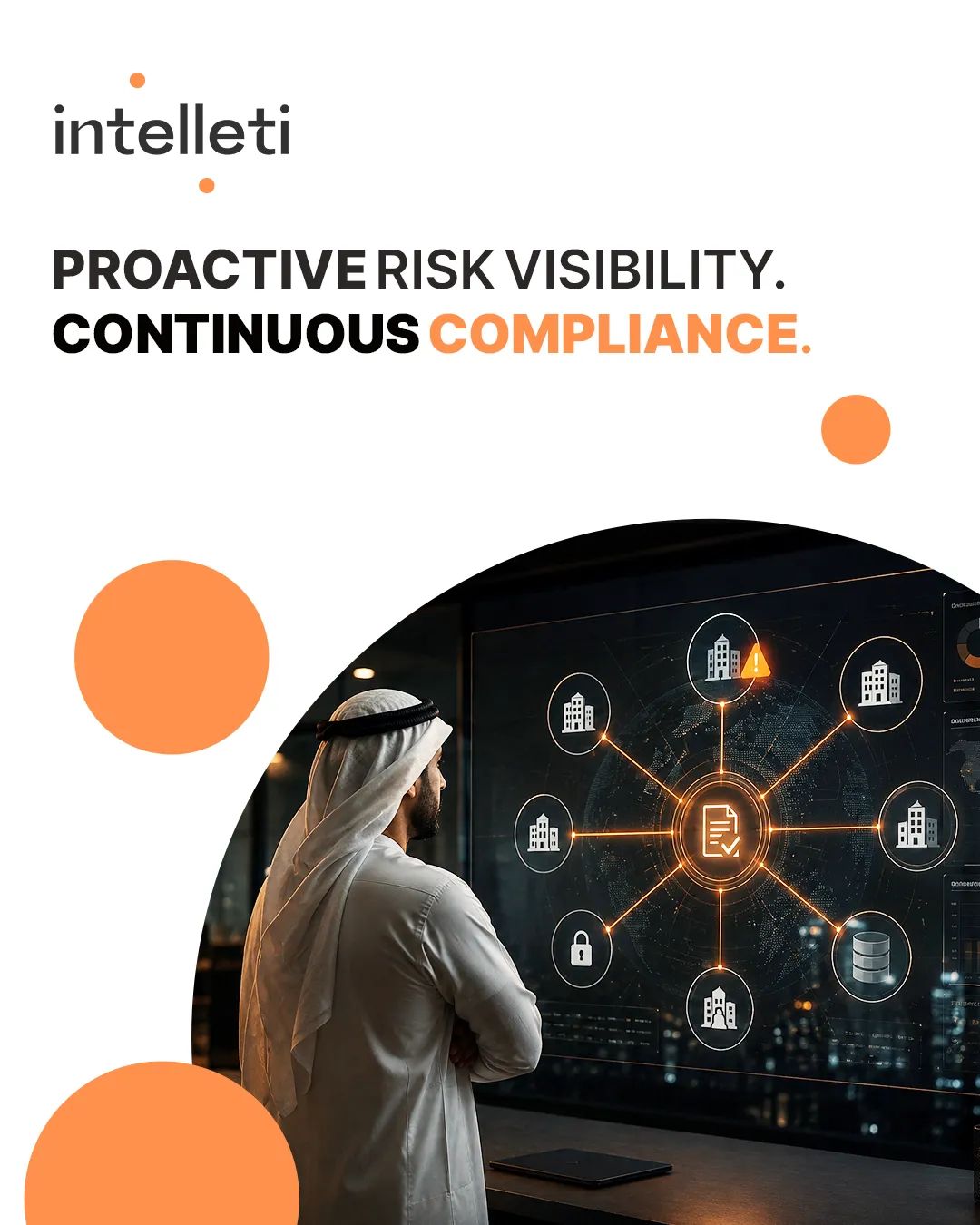
Your vendor passed due diligence. But who is monitoring the risk now?
For businesses seeking GRC consulting services in the UAE, vendor onboarding is only the beginning. Effective governance, risk, and compliance connects the initial assessment with ongoing oversight throughout the supplier relationship.
Before a contract is signed, vendors may complete questionnaires, submit certifications, and provide evidence of their controls. These checks support an informed decision—but they cannot guarantee that the vendor’s risk profile will remain unchanged.
Why Vendor Risk Changes After Onboarding
A supplier’s operations can change significantly during a contract.
Access privileges may expand, certifications may expire, and new subcontractors may become involved. System changes can also introduce data flows that were not covered by the original assessment.
For example, a technology provider initially approved for limited support may later receive access to sensitive business information. If nobody reviews that change, the original approval may no longer reflect the actual exposure.
Third-party risk management in UAE businesses therefore needs clear review triggers, current evidence, and accountable owners.
When Due-Diligence Evidence Becomes Outdated
A useful way to describe this gap is due-diligence expiry risk: the vendor remains approved while the evidence supporting that approval becomes outdated.
A completed assessment may give leadership confidence that controls are in place. However, without follow-up, the organization may not know whether those controls still cover the services, systems, and information involved.
Warning signs include:
- Outdated evidence: Certifications, assessment reports, or supporting documents have not been reviewed.
- Expanded access: Supplier accounts retain permissions beyond their current responsibilities.
- Unreviewed service changes: New systems, subcontractors, or data-processing activities have been introduced.
- Overdue corrective actions: Agreed improvements remain unresolved.
- Unclear ownership: Procurement, IT, security, and business teams assume someone else is monitoring the vendor.
What Ongoing Third-Party Governance Should Include
A practical approach should connect supplier oversight with the organization’s wider risk management process.
Prioritize vendors by risk. Consider the sensitivity of the information they handle, their system access, and the business impact of service disruption.
Assign an accountable owner. Define who maintains the relationship, reviews evidence, and escalates concerns.
Set clear control requirements. Document expectations for access, information protection, incident communication, and relevant service changes.
Review evidence on a risk-based schedule. Use planned reviews alongside reassessments triggered by significant changes or incidents.
Track actions and exceptions. Record identified gaps, corrective actions, deadlines, and any formally accepted residual risk.
Plan for offboarding. Define how access will be removed and how information will be returned or deleted when the relationship ends.
The NIST Cybersecurity Framework 2.0 supply-chain risk management guide provides a useful reference for establishing a cybersecurity supply-chain risk management capability and communicating supplier requirements.
Give Leadership a Current View of Vendor Risk
Reporting should show more than the number of completed questionnaires.
Useful measures include overdue reviews, outstanding corrective actions, unresolved high-risk findings, and exceptions awaiting a decision.
For instance, reporting that a critical supplier’s evidence is outdated and its corrective actions are overdue gives leadership a clearer basis for action than simply marking that supplier as approved.
How Intelleti Supports Third-Party Risk Management
Intelleti’s GRC consulting services connect supplier assessments with risk registers, control requirements, evidence reviews, mitigation plans, exceptions, and board-level reporting.
This helps businesses maintain a more current view of vendor risk and make informed decisions as relationships evolve.
Don’t let a completed questionnaire become permanent approval.
Connect with Intelleti to strengthen third-party governance with clear ownership, current evidence, and ongoing risk oversight.