







UAE E-Invoicing Operating Model: Prepare Your Teams for Go-Live
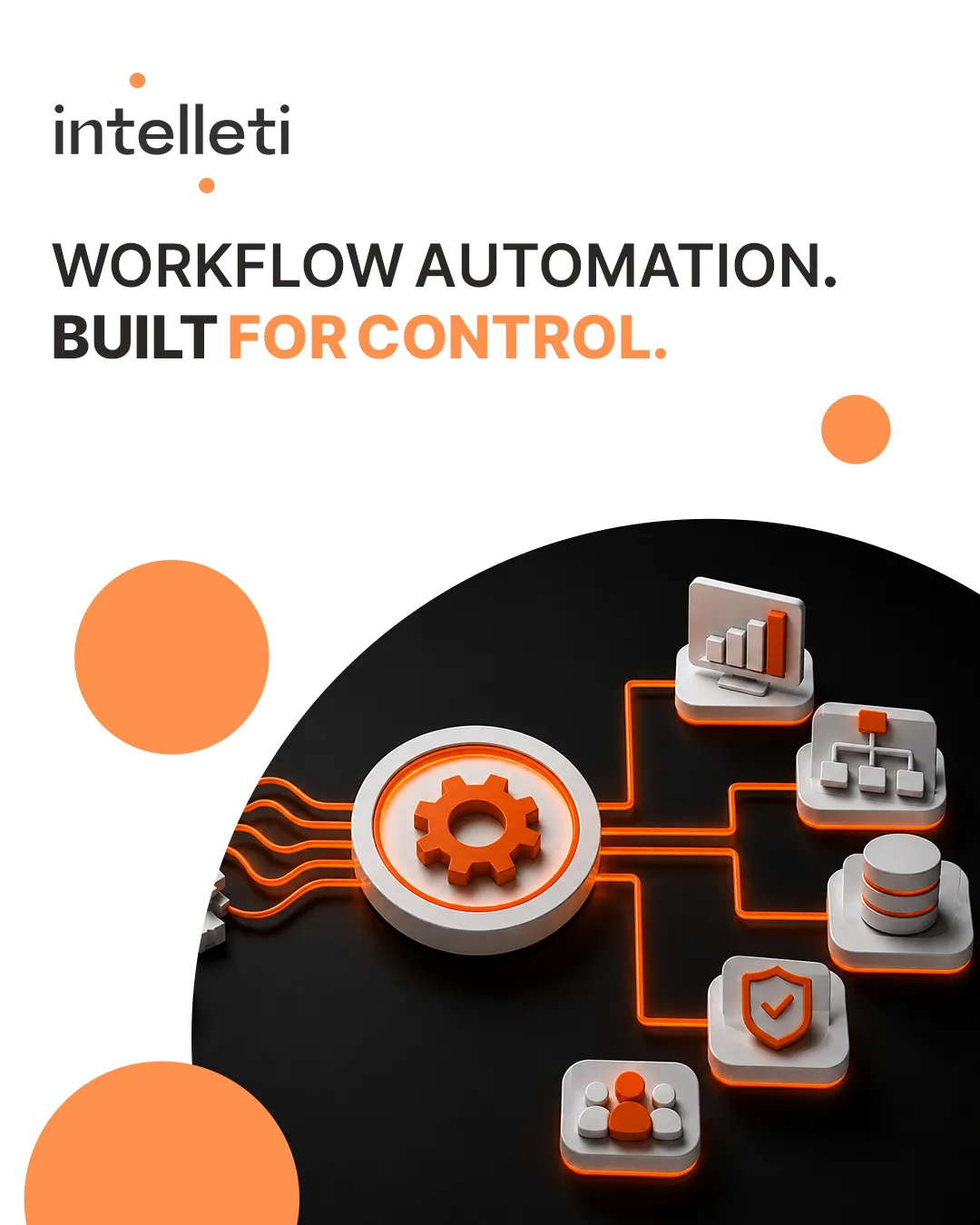
E-invoicing readiness involves more than connecting software. A clear UAE e-invoicing operating model helps finance, IT, tax, compliance, and operations teams understand their responsibilities before go-live.
It defines who owns invoice data, who resolves errors, and how teams keep daily processes running.
Why E-Invoicing Requires Cross-Team Preparation
E-invoicing changes how invoices are created, validated, exchanged, monitored, corrected, and stored. These activities involve several departments, each with a role in keeping information accurate and processes reliable.
Finance may manage invoice processing, while IT supports ERP systems and integrations. Tax and compliance teams help interpret requirements and review controls. Procurement and sales operations contribute supplier and customer data, while internal audit reviews evidence and accountability.
Technical implementation is one part of readiness. Businesses also need agreed workflows, clear ownership, and escalation routes for issues that arise.
What Your E-Invoicing Operating Model Should Define
Before go-live, assign a responsible owner and a supporting team for each key activity:
- Invoice data accuracy: Who checks customer, supplier, and transaction information?
- ERP and integration support: Who investigates system issues and coordinates with service providers?
- Validation failures: Who reviews errors and ensures they are resolved?
- Invoice corrections: Who approves and processes corrections through the appropriate workflow?
- Compliance monitoring: Who reviews exceptions and follows up on outstanding issues?
- Audit evidence: Who maintains records, approvals, and processing history?
- Management reporting: Who reports recurring problems and tracks improvements?
Document these responsibilities so employees know when to act, whom to contact, and when to escalate.
Test Workflows Before Go-Live
Testing should cover both successful invoice processing and situations that require intervention.
For example, if an invoice fails validation because customer information is incomplete, the team should know who corrects the data, who checks the correction, and who confirms successful processing.
Walk through these scenarios with the people who will manage them. This helps uncover gaps between technical functionality and day-to-day operations.
Without clear roles, even a working system can leave teams facing delays, repeated errors, and duplicated effort.
Continue Monitoring After Go-Live
Once e-invoicing is operational, teams need a regular review process. Useful measures include:
- Invoice processing success rates
- Validation errors and rejection reasons
- Time taken to resolve exceptions
- Invoice processing time
- ERP and integration performance
- Outstanding compliance issues
Use these findings to address recurring problems, improve data quality, and refine workflows.
Prepare Your People, Processes, and Systems
Intelleti helps businesses prepare for e-invoicing beyond technical implementation by developing operating models, defining ownership, aligning finance, IT, tax, and compliance teams, and supporting monitoring after go-live.
Build your e-invoicing operating model before go-live.
Connect with Intelleti to prepare your teams, systems, and workflows for a coordinated transition.